samedi 14 mars 2026

Frank Caprio Shares Final Hospital Photo Before Passing Away

by


Judge Frank Caprio will be remembered as a figure whose warmth, kindness, and compassion set him apart in the judicial world. His approach to justice emphasized understanding, empathy, and human dignity above all else.

Born and raised in Providence, Rhode Island, Caprio pursued a career in law that spanned nearly four decades. Throughout his tenure, he became renowned not only for his legal expertise but for his uniquely humane approach.

Caprio earned the affectionate nickname “The Nicest Judge in the World” for his consistent ability to see the good in those who appeared before him. Television audiences quickly recognized his warmth, humor, and fairness.

The show Caught in Providence showcased his rulings to millions, capturing moments where he delivered justice tempered with kindness. Unlike traditional depictions of courts, Caprio’s courtroom often reflected grace, encouragement, and second chances.

His rulings frequently emphasized rehabilitation and understanding over harsh punishment. Individuals facing minor offenses were often met with thoughtful guidance, empathy, and humor, creating viral moments that endeared him to viewers everywhere.

Caprio’s approach reminded audiences that the law could be both firm and humane, offering hope while maintaining accountability. His demeanor reflected deep respect for human dignity, setting a standard rarely seen in courtrooms worldwide.

In August 2024, Caprio’s family confirmed that he had passed at age 88 following a courageous battle with pancreatic cancer. His family highlighted his lifelong commitment to compassion, justice, and service in their tribute.

“He will be remembered not only as a respected judge, but as a devoted husband, father, grandfather, great-grandfather, and friend,” his family stated, honoring both his professional achievements and his personal legacy.

Even after his cancer diagnosis in 2023, Caprio remained optimistic and courageous, sharing his journey with followers on social media and demonstrating the same grace and resilience he showed in court.

On his birthday following the diagnosis, he posted a message acknowledging the difficult road ahead, stating, “I know this is a long road, and I’m fully prepared to fight as hard as I can.”

He began treatment in Rhode Island and Massachusetts before eventually seeking care in Florida, following a friend’s recommendation. Despite the rigorous schedule and physical toll, he approached treatment with steadfast determination.
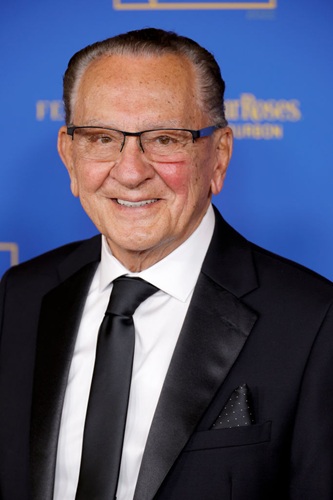
Caprio underwent six months of chemotherapy and five rounds of radiation, describing the experience as physically and emotionally taxing, yet he maintained his spirit and shared updates with admirers, keeping them engaged in his journey.

His openness allowed the public to witness not just his struggle but his extraordinary perseverance, providing inspiration to countless individuals facing their own health challenges.

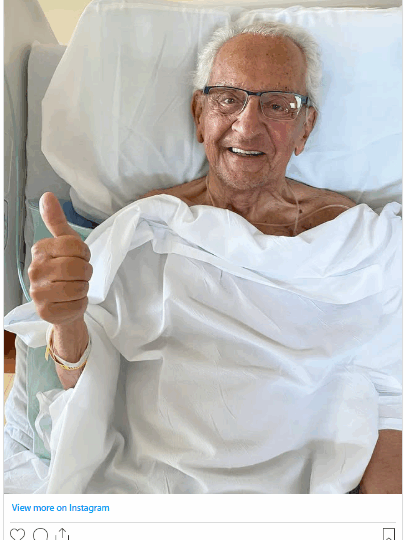
Caprio’s final Instagram post depicted him smiling from a hospital bed while giving a thumbs-up. The accompanying caption thanked followers for their support, prayers, and encouragement, emphasizing his gratitude for kindness extended to him.

“Judge Caprio wishes to sincerely thank each and every one of you for your prayers, love, and support while he is in the hospital,” the caption read, highlighting the warmth and humility that defined his personality.

“He and his family are deeply grateful. Please keep him in your thoughts and prayers today,” he added, demonstrating the humility, empathy, and connection he maintained with people until his final days.

Caprio retired in October 2023 after nearly forty years on the bench. His retirement reflected both the end of a career and the transition to a period of personal reflection and legacy-building.

Initially, he admitted feeling uncertain about life beyond the courtroom. For decades, his identity had been intertwined with his role as a judge, and the shift created moments of introspection and adjustment.

Despite initial uncertainty, Caprio later reflected on his career with gratitude and perspective. He recognized that his influence extended far beyond individual rulings, leaving a lasting mark on the community and those who watched his courtroom.
“And while I do miss being on the bench and hearing all of your amazing stories, everywhere I go, I’m reminded that my legacy still lives on,” he said, emphasizing the enduring power of his example.

He encouraged others to embrace new opportunities, stating, “Just because one door is closing, don’t be afraid to open the next one and see what life has in store for you,” inspiring resilience in audiences.

Caprio’s commitment to justice was mirrored by his dedication to family. He was a devoted husband and father who balanced professional responsibilities with care, love, and engagement in the lives of those he cherished most.

He also nurtured relationships with grandchildren and great-grandchildren, passing on values of integrity, kindness, and service while modeling the importance of compassion in everyday interactions.

His courtroom philosophy reflected his personal ethos: that every person, regardless of their mistakes or circumstances, deserved a chance to be heard, understood, and treated with dignity and respect.

Colleagues often described him as a model of integrity, patience, and fairness. Lawyers and court staff alike admired his ability to balance adherence to the law with a deep understanding of human complexity.

Caprio’s humor often lightened tense moments in the courtroom. His ability to use gentle wit to connect with people diffused conflict, creating an atmosphere where justice was administered with empathy rather than intimidation.
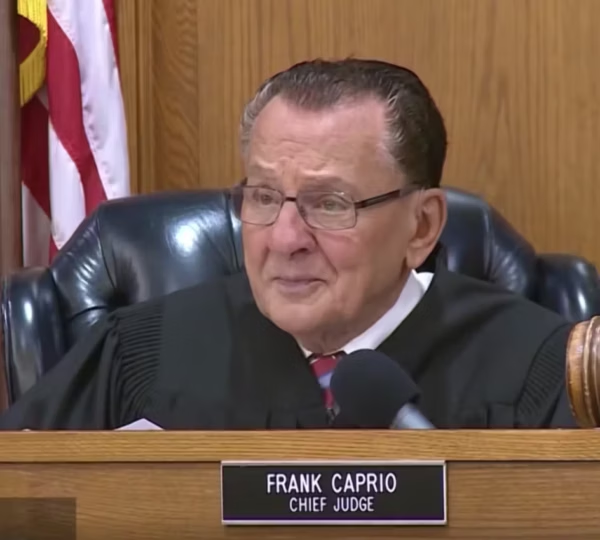
Audiences worldwide resonated with Caprio’s approach, making Caught in Providence a viral phenomenon. Clips of his rulings were shared widely on social media, spreading his philosophy of humane justice to millions.

His rulings often carried life lessons, whether emphasizing accountability, offering advice, or recognizing personal growth. Viewers saw the law as a tool for transformation rather than mere punishment.

The nickname “The Nicest Judge in the World” reflected more than a viral persona; it captured Caprio’s lifelong commitment to human decency, fairness, and understanding in a system that can often feel impersonal and rigid.

Caprio also actively engaged with fans and supporters online. He responded to messages of encouragement, shared insights about legal matters, and expressed gratitude for the community of viewers who celebrated his philosophy.

Even during his cancer treatment, Caprio’s updates reflected positivity and hope. By sharing his experience candidly, he humanized the challenges of illness, inspiring empathy and resilience in those witnessing his journey.

His approach to illness mirrored his judicial philosophy: face challenges with honesty, integrity, and humor, while valuing the people around you and expressing gratitude for the support and kindness received.

Caprio’s final months highlighted his ability to remain connected to others, using social media as a platform for inspiration and gratitude, demonstrating that even in personal struggle, he remained outwardly compassionate.

His last public photograph—smiling in a hospital bed with a thumbs-up—embodied his enduring optimism. Followers saw a man who, despite adversity, prioritized gratitude, positivity, and hope above fear and despair.

Caprio’s life serves as an example of the profound influence one individual can have by choosing kindness, empathy, and understanding as guiding principles in both professional and personal life.

His death marked the end of a remarkable career but also emphasized the ongoing impact of his teachings and example. Students, colleagues, and the public continue to celebrate his philosophy of humane justice.

Tributes poured in from around the world, recognizing his unique ability to inspire, educate, and uplift through both professional conduct and personal character. Many expressed deep admiration for his empathy and warmth.

He taught the public that fairness and compassion are not mutually exclusive and that the law can serve justice without eroding humanity. His courtroom remains a model for judicial conduct infused with kindness.

Caprio’s legacy continues through his family, colleagues, and the millions who viewed his televised rulings. His example of patience, humor, and encouragement demonstrates how a career can be both principled and profoundly human.

His philosophy extended beyond courtroom walls. By choosing to see the humanity in everyone, he encouraged a culture of empathy, reflection, and constructive guidance, influencing people far beyond Rhode Island.

Even after retiring, he remained a source of inspiration, encouraging others to embrace challenges, appreciate human dignity, and recognize the potential for positive impact in every interaction.

Caprio’s life exemplified the principle that leadership and authority are most effective when exercised with humility, kindness, and respect for the people one serves. His approach remains a template for future generations.

Through his work, he demonstrated that empathy, grace, and optimism can coexist with justice, shaping a courtroom experience that is fair, humane, and deeply meaningful for all involved.

His influence extends to those studying law, judicial ethics, and public service, providing a concrete example of balancing authority with compassion in ways that produce lasting societal benefits.

Caprio’s story teaches that a career is measured not only by accomplishments but also by the character, integrity, and humanity one brings to their work, leaving a lasting imprint on the lives touched.

His enduring philosophy continues to inspire people to view justice as a tool for growth, understanding, and positive change rather than merely punishment, a lesson reflected in the thousands of cases he presided over.

Even as his health declined, Caprio remained connected, offering guidance and support to colleagues, family, and followers, showing that influence is sustained not only by position but by values and personal example.

Judge Frank Caprio will be remembered for decades to come as a man whose life demonstrated that justice tempered by compassion creates a more humane, thoughtful, and impactful society.

His story reminds us that every act of understanding, patience, and kindness has the potential to inspire countless others, leaving ripples of positivity that endure well beyond one lifetime.

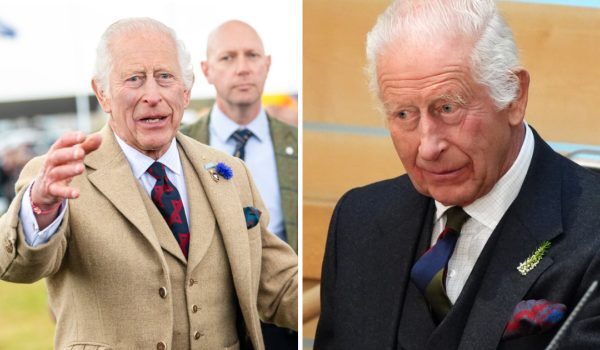
King Charles Revokes Honorary Titles From Nine Individuals

by


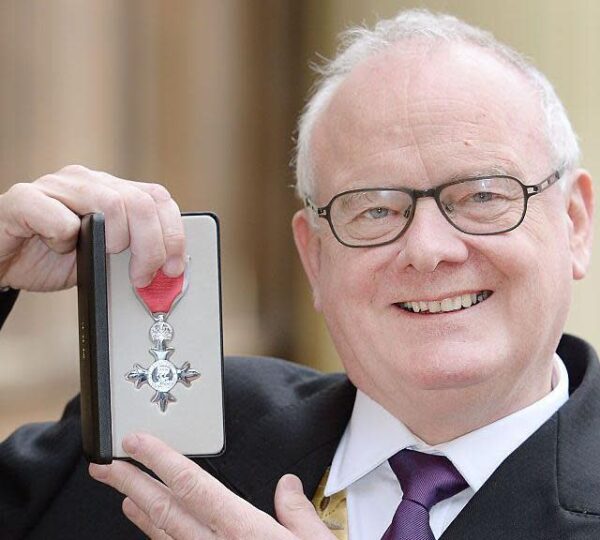
This month, King Charles III took the rare and serious step of revoking nine MBEs and OBEs, honors awarded by the monarch to individuals who have made significant contributions to British society.

The Order of the British Empire, established in 1917, recognizes individuals for exemplary service across a range of fields. The honors reflect achievement, dedication, and impact on the community or nation.

The OBE, or Officer of the Order of the British Empire, is typically awarded to those with distinguished roles in regional or national spheres, marking their influence and notable accomplishments within their profession or community.

Recipients of an OBE are often recognized for leadership, exceptional service, or innovation that sets them apart. The award signals the individual’s sustained contribution and national acknowledgment of their efforts.

Meanwhile, the MBE, or Member of the Order of the British Empire, is awarded for outstanding achievement or service within the community. It recognizes efforts that inspire others and produce tangible, meaningful impact.

An MBE honors those whose contributions, whether in local projects, charities, or professional endeavors, stand out as exemplary. The focus is on both sustained effort and the tangible benefits provided to society.

Revocation of MBEs and OBEs is exceedingly rare. Such decisions are not taken lightly, as they reflect a careful evaluation of conduct, character, and alignment with the values the honors represent.

This month, however, King Charles III directed the removal of nine honorary titles. The reasons included criminal convictions, actions that discredited the honors system, or professional misconduct that brought disrepute to the awards.

Among the most widely reported cases is former Scottish rugby star Stuart Hogg. Hogg had received an MBE in the 2024 New Year honors for services to rugby.

Hogg’s MBE was revoked after he pleaded guilty to domestic abuse charges, a serious criminal offense. The revocation was officially recorded in The Gazette, the official public record for government announcements.

The notice stated: “The King has directed that the appointment of Stuart William Hogg to be a Member of the Civil Division of the Most Excellent Order of the British Empire, dated 30 December 2023, shall be cancelled and annulled.”

It further added that Hogg’s name would be erased from the Register of the Order, formally removing his right to use the MBE designation in any professional or personal capacity.

Another notable case is Paul Allen Rose, founder of Barrow’s Owl Sanctuary in Cumbria. He had been awarded an MBE in 2002 for services to wildlife conservation and animal welfare.

Rose was sentenced in May 2024 after pleading guilty to two counts of causing unnecessary suffering to a protected animal and one count of failing to ensure animal welfare under the Animal Welfare Act 2006.

The revocation reflects the seriousness with which the UK honors system treats criminal convictions, particularly those that directly conflict with the values and public trust associated with MBEs and OBEs.

Other individuals had their awards revoked for professional misconduct or bringing the honors system into disrepute, demonstrating that both private behavior and public actions are considered in these decisions.

Angela Middleton, awarded an MBE in 2019, had her title revoked for actions deemed to bring the honors system into disrepute, although the specifics were not publicly detailed in the official notices.

Similarly, Anant Shah, who received an OBE in 2020, lost his honor for conduct inconsistent with the expectations of the order, highlighting that professional or ethical breaches can result in revocation.

Tony Reilly, awarded an OBE in 2011, and Nigel O’Connor, who received an MBE in 2015, were both stripped of their honors due to professional censure, reflecting disciplinary action taken in their respective fields.

Criminal convictions were the primary cause for the revocation of awards for Ian Ashbold, MBE 2016; Lloyd Hamilton, MBE 2011; Graham Trewhella, MBE 2010; and Paul Rose, MBE 2002, alongside Stuart Hogg.

Each revocation process involves review by the Honours Forfeiture Committee, which considers evidence, convictions, and the impact of the individual’s actions on the public perception of the Order.

The committee’s role is to ensure that honors maintain integrity and public confidence, and to recommend revocation when recipients’ actions fundamentally undermine the prestige of the awards.

According to official guidance, removal of an honor is typically reserved for cases involving serious criminal activity, professional misconduct, or behavior incompatible with the values the British honors system represents.

The decision to revoke an honor is formally communicated to the individual, recorded in The Gazette, and accompanied by erasure of their name from the official Register of the Order, legally and publicly nullifying the award.

The public announcement of these nine revocations serves to reaffirm that the British honors system maintains strict standards, and that the title carries responsibilities as well as recognition.

The impact of such revocations can be significant. For recipients, it represents both reputational damage and formal acknowledgment that past achievements are no longer officially celebrated.

The revocations also send a message to current and future honorees about the expectations of personal conduct and professional integrity required to retain these prestigious distinctions.

Stuart Hogg’s case, given his high public profile, attracted widespread media attention, prompting discussions about accountability for celebrities and public figures who hold honors for services to sport or society.

Similarly, Paul Rose’s conviction and subsequent MBE revocation sparked dialogue around the ethical treatment of animals and the responsibility of conservationists to uphold the values for which they are recognized.

The range of offenses leading to these revocations—from criminal convictions to professional censure—illustrates that honors are contingent upon ongoing ethical and lawful behavior, not solely past contributions.

This approach maintains the credibility of the honors system, ensuring that recipients embody the qualities of service, integrity, and exemplary conduct expected by the Crown and society.

While rare, revocation also underscores the idea that honors are a privilege, not an entitlement, and misuse of that privilege can result in formal removal, preserving public trust.

The full list of recipients affected this month includes Ian Ashbold, Lloyd Hamilton, Angela Middleton, Nigel O’Connor, Tony Reilly, Paul Rose, Anant Shah, Graham Trewhella, and Stuart Hogg, each for reasons specific to their conduct.

These cases span a range of professions and contributions, from sports and conservation to other civic or professional achievements, demonstrating that the honors system applies standards uniformly across different sectors.

Public reaction has been mixed, with some expressing disappointment in the individuals’ behavior, while others emphasize the importance of due process, review, and transparency in revocation decisions.

Commentators have highlighted that revocations, though rare, protect the integrity of the honors system and reinforce societal values, ensuring that recognition aligns with ethical behavior and public expectations.

King Charles III’s decision to revoke these nine honors represents one of the more significant enforcement actions in recent years, demonstrating the monarchy’s commitment to maintaining standards of accountability.

The honors system in the UK includes several ranks beyond MBEs and OBEs, such as Knighthoods, CBEs, and higher appointments, all subject to similar codes of conduct and potential revocation if warranted.

Historical precedents show that revocation is uncommon, reserved for circumstances where the recipient’s actions severely undermine public trust, the prestige of the award, or the moral expectations of society.

The official process for revocation involves careful consideration, consultation with relevant authorities, and review by the Honours Forfeiture Committee, which ensures each decision is evidence-based and fair.

Revocation notices are published in The Gazette, providing a transparent public record. This formal announcement confirms that the individual no longer holds the honor and that their achievements are officially unrecognized.

The recent revocations serve as a reminder that honors, while prestigious, are also a responsibility. Recipients are expected to maintain conduct consistent with the standards of service, ethics, and societal respect.

Media coverage of the cases has brought public attention to the governance and oversight of the honors system, reinforcing the importance of accountability and ethical behavior for those recognized by the Crown.

In conclusion, King Charles III’s decision to revoke nine MBEs and OBEs highlights the ongoing effort to preserve the integrity, credibility, and value of the UK honors system, ensuring that it continues to reflect the highest standards of society.

I Didn’t Expect to Love This

by


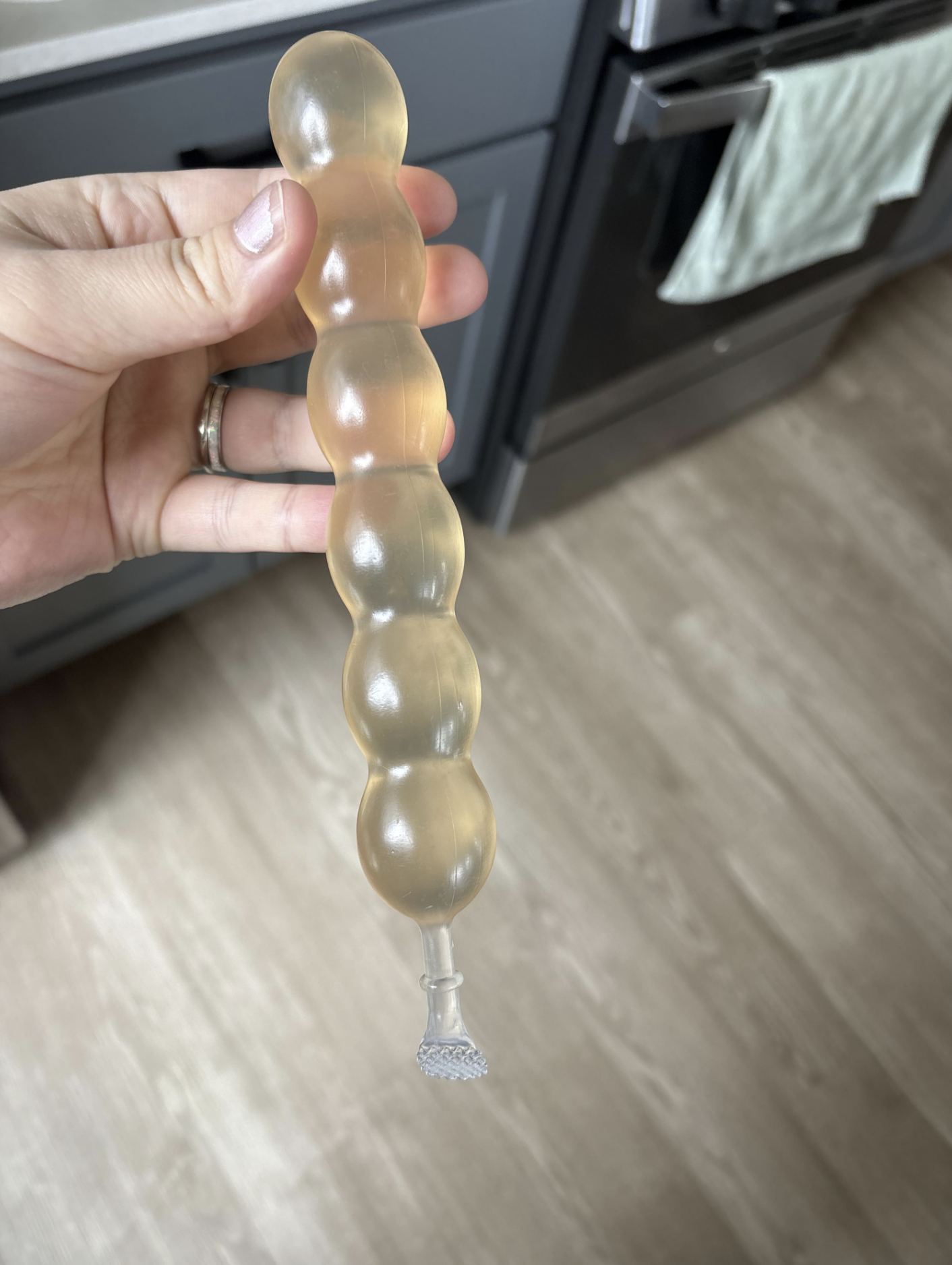
Why some treats are special — they look unique, and that is part of their fun factor. One example is the Asian Market Freeze Pops that you will see when you visit an Asian Market.

You will find them frozen in a plastic pod with multiple sections instead of all in one tube. Once you realize what they are, you will understand how they are eaten. You will place them into your freezer until they are frozen solid. You will then break off a portion and eat them as needed. Each time you take another piece, it is like eating a new treat.

This may seem simple, but it does make the snack more enjoyable.

Better Texture

Another reason for the popularity of them is their texture. Most Western freeze pops are extremely thin and are mostly ice. As soon as you place one in your mouth, it begins to melt very quickly and tastes like plain sweet ice.

Most Asian Market Freeze Pops have a softer, thicker consistency. Many are even jelly-like. A few have a slushy type texture. Regardless, most people will agree that this makes the Asian Market Freeze Pop more enjoyable than your average store-bought freezer pop.

Better Taste

Flavor is also important in determining which types of products are popular. When compared to most Western freeze pops, most Asian Market Freeze Pops have a lot more variety. While most Western freeze pops have the same old cherry, blue raspberry or lemon-lime flavors, many Asian Market Freeze Pops come in a variety of flavors including lychee, mango, melon, peach and grape.

This makes the Asian Market Freeze Pop more interesting. They are fun and playful, yet each flavor has its own distinctive taste. You can recall the flavor of them long after you finish eating it.

Source: Reddit

A Certain Kind of Summer Memory

Another reason for the popularity of Asian Market Freeze Pops is the memories they evoke. You will place them in the freezer and wait for them to become frozen. Once they are frozen, you will remove them from the freezer, break off a small piece and eat it while it is still cold. This process becomes repetitive and is something you may find yourself doing again and again.

There is nothing like enjoying a cool, fruity treat on a warm day. The simplicity of the product and the repetition of enjoying it will remind you of summers past and the enjoyment you experienced while eating such treats.

I believe a major reason for the continued popularity of the Asian Market Freeze Pops is their simplicity. They don’t need any special packaging or follow any current trend. They simply provide a cold, fruity, easy to share and fun to eat experience.

If you haven’t tried the Asian Market Freeze Pops, I would encourage you to give them a try. They offer a superior texture, a brighter flavor and a brief trip down memory lane with each frozen pod.

You Won’t Believe What We Found Hidden in Our Barn!

by


Do you remember those lazy summer afternoons spent in the attic, sifting through old family heirlooms and dusty photo albums? The excitement of uncovering a forgotten relic from the past was like finding buried treasure. Recently, I experienced that same rush of nostalgia and wonder when I discovered an old-fashioned automatic fire extinguisher hidden in the rafters of our barn.

Growing up in the ’70s, the allure of vintage items was ever-present in our household. My grandparents’ home was a treasure trove of artifacts from the past, each piece whispering stories of a bygone era. One of my most vivid memories is of the antique kitchen timer that sat on their counter—a relic from the ’50s that never failed to captivate me with its ticking and clanging bell. It’s that sense of history and connection to the past that makes discoveries like this so special.

Source: FB / Preslee Guymon

Old-fashioned automatic fire extinguishers, often referred to as “fire grenades,” were an innovative safety tool from the late 19th and early 20th centuries. These glass globes were filled with a fire-suppressing solution, typically carbon tetrachloride, designed to burst when exposed to high temperatures. The liquid would then smother the flames, providing a rudimentary but effective means of fire control.

Finding one of these extinguishers in our barn transported me back to a time when such devices were a common sight in homes and businesses. They represent a period when fire safety was a burgeoning field, and people were just beginning to understand the importance of fire prevention measures.

During their heyday, these fire grenades were a symbol of progress and modernity. As urbanization increased, so did the need for effective fire suppression methods. These devices were often installed in strategic locations around homes and commercial properties, a silent guardian against the ever-present threat of fire.

Source: X / Mac-Corp

The use of fire grenades reflects a broader societal shift towards safety and preparedness that characterized the early 20th century. They were part of a larger movement that saw the introduction of building codes, fire drills, and other safety protocols that we take for granted today.

Discovering this old-fashioned fire extinguisher in our barn not only provided a tangible connection to the past but also highlighted the ingenuity and resourcefulness of previous generations. It’s a beautiful reminder of how far we’ve come in terms of safety technology and the innovative spirit that drives progress.

Source: Van Good Sov

Reflecting on this find, I’m reminded of the importance of preserving and cherishing these pieces of history. They serve as a bridge to the past, allowing us to appreciate the advancements that have shaped our present. It’s like having a conversation with an old friend, reminiscing about the good old days and marveling at the journey we’ve been on.

In a world where technology evolves at a breakneck pace, it’s easy to overlook the simple yet profound impact of historical artifacts. The old-fashioned automatic fire extinguisher in our barn is more than just a safety device; it’s a testament to human ingenuity and a beautiful relic of a time when the quest for safety and security was just beginning.

So, the next time you find yourself in an attic, basement, or barn, take a moment to look around. You never know what treasures from the past you might uncover, waiting to share their stories and reignite that spark of nostalgia.

Source: Nice Jugsmk

As we celebrate these discoveries, let’s focus on the positive aspects of the past—the creativity, the innovation, and the timeless charm of vintage items. These relics remind us of the resilience and resourcefulness that have always been a part of our heritage, and they inspire us to appreciate the beauty of the journey we’ve traveled.

Here’s to the joy of unearthing history, one forgotten treasure at a time.

What’s Hiding Beside This Path?

by


Source: Weekly Grist

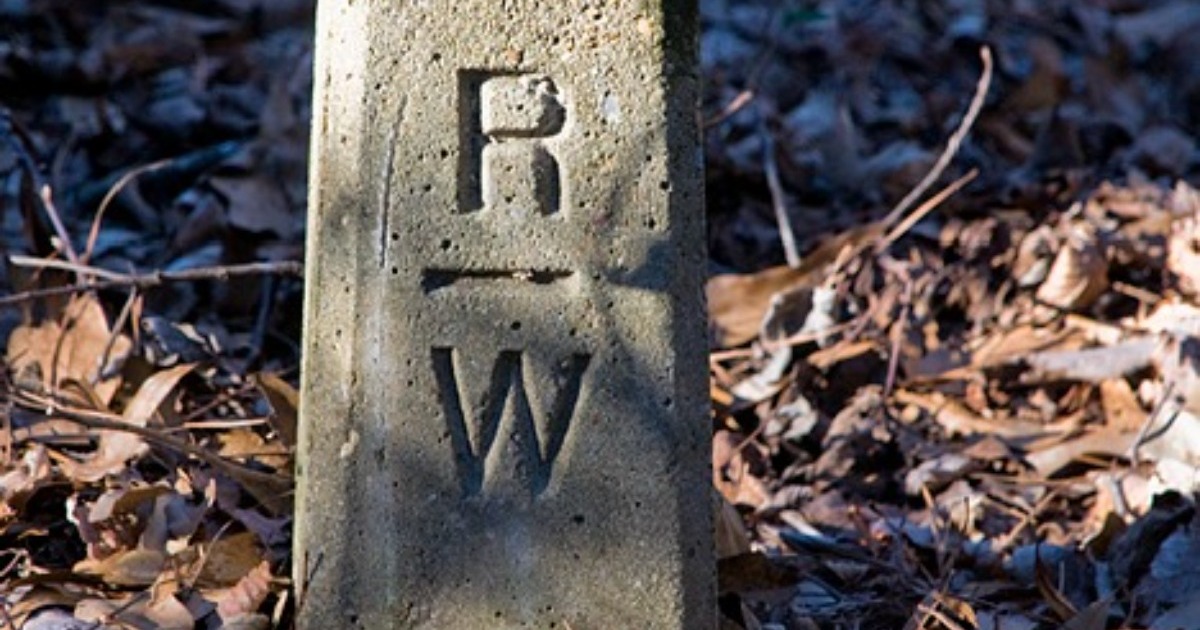
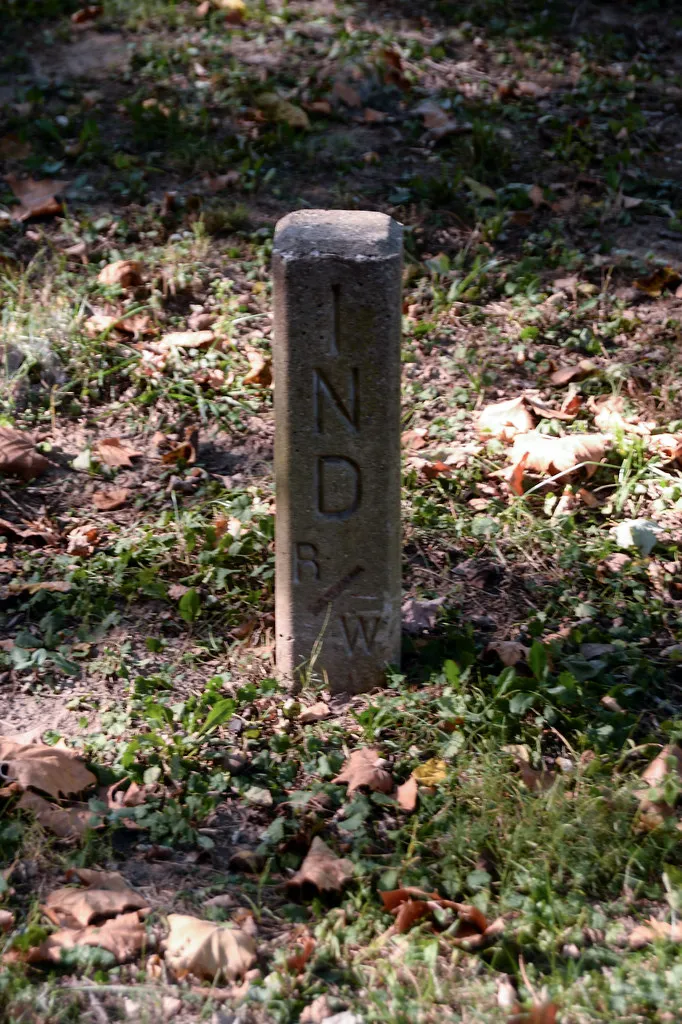
I really enjoy seeing stuff like this. You’re on an old railroad bed, and you didn’t expect to see anything, and then you see a knee-high concrete post sitting off by itself with a purpose. It’s fascinating to come across what might have been an old road marker.

This is why a state road department (State Road Department) right-of-way marker is so cool. It appears to be nothing special, yet it gives you a tremendous amount of information.

What It Is

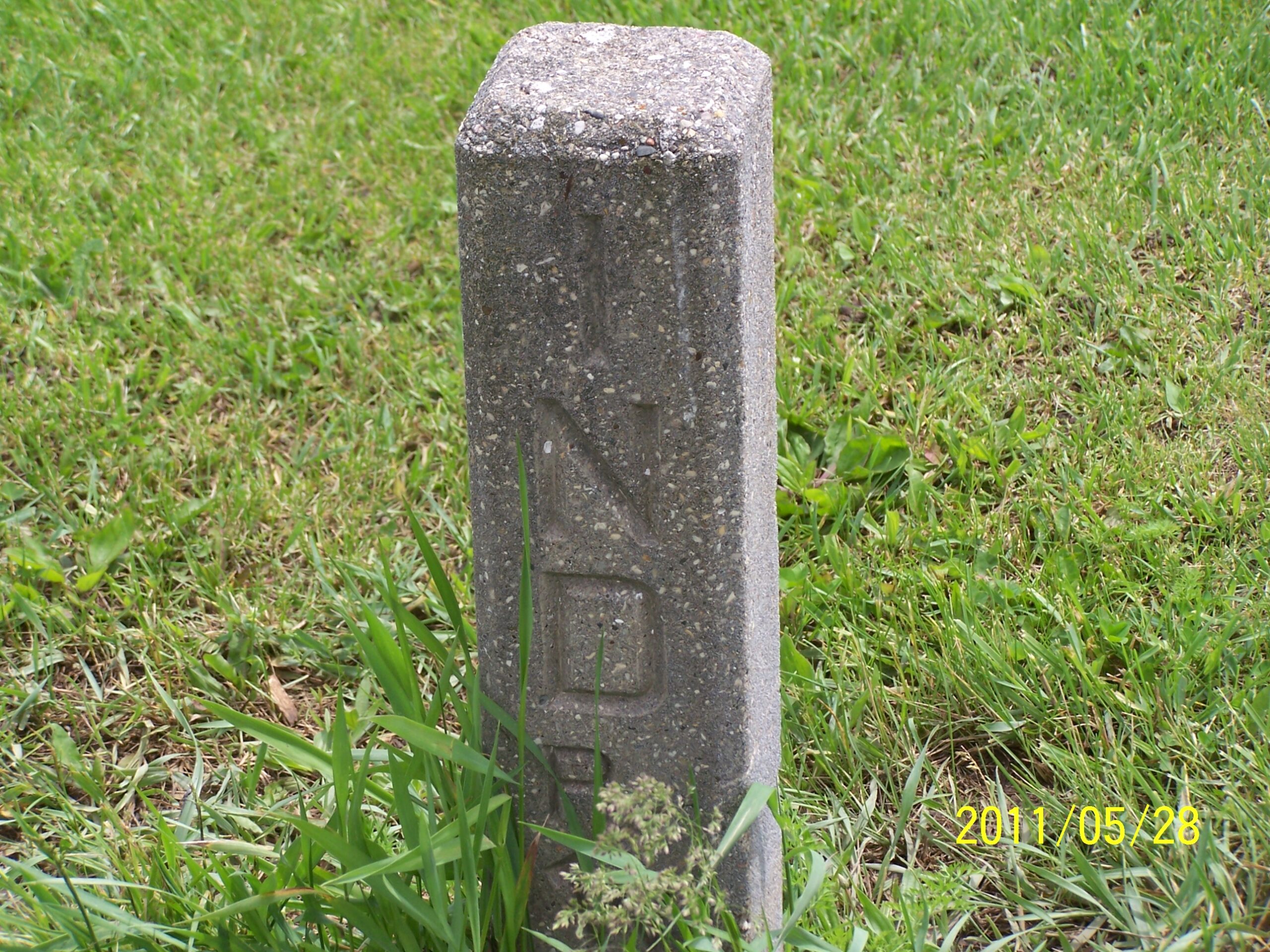
A State Road Department (SRD) right-of-way marker indicates the official boundary of a road corridor. “R/W” is short for right of way. Therefore, this is a property line marker for the road.

You might think this sounds dull, but it changes everything. The next time you view a simple concrete post, you will know it’s more than that. You are viewing evidence of the fact that the road adjacent to it was surveyed, developed and maintained as an official road.

Source: Local Remnants

Why It Matters

Roads have a tendency to quickly go away. Roads become obsolete due to traffic being rerouted to a new location, maintenance ceases and trees and brush grow back to cover the road. After some time the road turns into a faint trail in the woods.

But the marker often remains.

Therefore, a State Road Department (SRD) right-of-way marker has significance. It can endure longer than the pavement, signs, and even the collective memory of local residents. Even when the road has been completely forgotten, the SRD right-of-way marker will continue to indicate its former presence.

What It Tells You

Markers such as these normally mean there could be additional items nearby. The markers were generally placed at regular intervals, especially at curves, intersections or where the road narrows.

When you locate one of these markers, you begin to recognize other signs too. A low-lying depression. An elevated area. Gravel and/or crushed stone incorporated into the soil. No longer are the woods viewed as disorganized. Instead they appear to be remnants of a planned route.

Why I Like Finding Things Like This

Large historic sites attract immediate attention. Historic buildings, bridges, etc., are easily appreciated because of their large size and prominence. A State Road Department (SRD) right-of-way marker is unique; it is small, unassuming, and can easily be overlooked.

Source: Jim Grey

That is why I like it.

It reminds me that history is often created using normal everyday objects. A concrete post. A road edge. A daily route that people traveled along without giving much thought to.

Years later that same SRD right-of-way marker is likely one of the last visible indications that the road existed at all.

Still Standing

That little concrete post in the woods is more than a relic of a bygone era of infrastructure. It serves to mark the edge of an old road and preserve a piece of local history in the most basic form.

One marker. One old roadbed. One reminder that history does not always vanish. At times it simply stands silently in the woods waiting to be discovered.

The small tattoo that hides a powerful message- do you know what it means?.

by


The small tattoo that hides a powerful message- do you know what it means?.


The Small Tattoo That Hides a Powerful Message: Do You Know What It Means?


Tattoos have always been more than ink on skin. They are symbols, reminders, and declarations that often carry profound meaning far beyond their aesthetic appeal. While some tattoos are bold and immediately visible, others are small, subtle, almost hidden—yet their significance can be powerful, life-changing, or deeply personal.


In recent years, the phenomenon of “small tattoos with big meanings” has grown dramatically. Celebrities, athletes, and ordinary people alike are turning to tiny designs, sometimes placed in inconspicuous spots, to express ideas that are deeply important to them. These tattoos act as private symbols, visible only to those who are meant to see them, yet they can carry messages that resonate on a universal scale.


This article explores the world of small tattoos, why they carry such emotional weight, and some of the most compelling designs and messages behind these understated works of art.


The Rise of Subtle Tattoos


For decades, tattoos were often associated with rebellion or counterculture. Large, intricate designs—dragons, skulls, and portraits—were common, dominating large portions of the body. But in the past decade, a shift has occurred.


Small tattoos, often no larger than a coin, have become a preferred choice for many. There are several reasons for this trend:


Minimalism: A tiny tattoo can express meaning without overwhelming the body. It embodies the principle of “less is more.”


Privacy: Small tattoos can be placed in discreet areas—behind the ear, on the wrist, or near the collarbone—allowing the wearer to control who sees the message.


Symbolic Power: Sometimes, the smaller the design, the more intentional and thought-provoking it becomes.


Social media platforms like Instagram and Pinterest have popularized these designs, showcasing creative, tiny tattoos that hold deep significance, inspiring a new generation of enthusiasts.


Why Size Doesn’t Determine Meaning


At first glance, a small tattoo might seem inconsequential. Yet the smallest designs can carry profound symbolism.


Take, for example, semicolon tattoos. A single punctuation mark has become a global emblem of mental health awareness, representing the choice to continue a life story despite hardship. While tiny, its message is monumental: survival, hope, and resilience.


Similarly, minimalist line designs, tiny birds in flight, or small constellations often represent personal freedom, dreams, and connection to the universe. Even a discreet word or short phrase can encapsulate years of experience or a lifelong philosophy.


The Stories Behind Small Tattoos


The emotional impact of a tattoo is often tied to the story behind it. Many people choose subtle tattoos to commemorate significant life events, personal struggles, or relationships.


1. Memorial Tattoos


Small tattoos can serve as memorials for loved ones lost. A single initial, a tiny heartbeat line, or a minimalist angel can provide comfort and a sense of connection.


2. Personal Milestones


People often mark achievements, recovery milestones, or turning points in life with small tattoos. For instance, a survivor of addiction might choose a small phoenix, symbolizing rebirth and resilience.


3. Secret Messages


Some small tattoos carry hidden or coded meanings, visible only to those who understand the symbolism. A tiny geometric design, for example, might represent a family heritage or a personal mantra known only to the wearer.


4. Spiritual Symbols


Many opt for religious or spiritual symbols that serve as daily reminders of faith, mindfulness, or personal growth. A subtle lotus, cross, or crescent moon can guide, ground, and inspire the individual.


Celebrity Influence


The popularity of small tattoos has been accelerated by celebrities. Public figures frequently choose discreet tattoos with personal significance, sparking curiosity and admiration among fans.


Emma Watson sports a tiny tattoo behind her ear representing feminist ideals.


Rihanna has multiple small designs, each with its own story and personal significance.


David Beckham is famous for small tattoos honoring family members.


These examples demonstrate that meaningful tattoos do not have to be large or flashy to make an impact.


The Artistry of Tiny Tattoos


Creating a small tattoo with a powerful message requires precision, skill, and artistry. Tattoo artists often face unique challenges with tiny designs:


Maintaining clarity in a very small space


Ensuring lines and symbols do not blur over time


Conveying depth of meaning with minimalistic imagery


Artists specializing in micro-tattoos often emphasize detail, negative space, and subtle shading to maximize impact. In some cases, a tattoo no larger than a fingertip can carry as much visual and emotional weight as a large back piece.


Symbolism That Transcends Words


Many of the most powerful small tattoos use imagery rather than text. Symbols can communicate across languages and cultures, allowing a tattoo to convey universal meaning.


Arrow Tattoos: Represent direction, progress, or moving forward.


Anchor Tattoos: Symbolize stability and resilience during life’s storms.


Tiny Trees or Mountains: Connect the wearer to nature, endurance, and growth.


These small designs can be seen as personal talismans—silent reminders of strength, hope, and values that define the wearer.


Cultural Significance


Tattoos are not just personal—they carry cultural and historical weight.


In some cultures, small tattoos are used as rites of passage or spiritual markers. In Polynesian traditions, for example, tattoos often contain intricate, meaningful symbols representing ancestry, status, or achievements. While large designs are common in some traditions, small symbols are equally powerful, often marking specific life stages or personal accomplishments.


The global adoption of tiny tattoos shows how traditional practices can merge with modern aesthetics, creating a cross-cultural dialogue on meaning, identity, and self-expression.


The Psychological Impact


Research shows that tattoos can have significant psychological benefits. Small tattoos, in particular, can act as daily affirmations or reminders of personal values.


Empowerment: Carrying a meaningful symbol can boost confidence and a sense of purpose.


Coping: Tattoos often serve as coping mechanisms, helping individuals process grief, trauma, or difficult experiences.


Identity: They can reinforce personal identity, making invisible struggles or passions tangible.


Even a discreet tattoo can influence mindset, encouraging reflection and resilience in everyday life.


Hidden Locations, Hidden Meanings


The placement of a small tattoo can enhance its significance.


Behind the Ear: Private yet accessible, a reminder meant for the wearer more than the world.


Inner Wrist: Easily glanced at, offering encouragement or strength during daily routines.


Side of the Rib: Close to the heart, often representing love, family, or personal growth.


Fingers: Visible only in certain gestures, symbolizing subtle personal commitments.


The combination of size and placement creates layers of meaning—what is hidden can be as impactful as what is visible.


Examples of Powerful Small Tattoos


Semicolon: Represents mental health awareness and the choice to continue life.


Tiny Infinity Symbol: Symbolizes endless possibilities or eternal bonds.


Single Word Tattoos: “Hope,” “Breathe,” or “Love” can encapsulate life philosophies in one glance.


Minimalist Animal Designs: Birds, bees, or elephants can represent freedom, diligence, or strength.


Even though these tattoos are small, their messages resonate deeply with both the wearer and those who understand the symbolism.


Tattoos as Conversation Starters


Another fascinating aspect of small tattoos is their ability to spark conversation. A tiny design can intrigue people, inviting questions about meaning and backstory.


For example, a small geometric tattoo on a wrist may prompt someone to ask, “What does that symbolize?” When the wearer explains, the conversation can shift to topics of personal growth, resilience, or life philosophy.


In this way, small tattoos can connect people, sharing values and stories in subtle yet profound ways.


Personal Stories: The People Behind the Ink


Every small tattoo has a story. Consider the following examples:


A cancer survivor gets a tiny phoenix behind their ear, symbolizing rebirth and survival.


A mother receives a small heartbeat tattoo in honor of her child, a reminder of love and connection.


An activist chooses a miniature tree on their wrist to represent environmental dedication and hope for future generations.


These stories illustrate that the size of the tattoo does not determine the depth of its meaning.


Why People Choose Small Over Large


There are practical reasons for choosing a small tattoo:


Lower Pain Levels: Smaller tattoos generally take less time and cause less discomfort.


Affordability: They are more budget-friendly while still carrying deep personal meaning.


Subtlety: Not everyone wants a tattoo that dominates attention; some prefer something intimate.


Flexibility: Small tattoos can be combined with future designs or placed in creative positions.


Ultimately, the choice reflects both personal preference and the desire to carry a meaningful symbol in a subtle, deliberate way.


The Future of Small Tattoos


As tattoo technology and artistry evolve, small tattoos are becoming more intricate, precise, and expressive. Innovations in micro-needles, shading, and ink longevity allow for detailed designs that retain clarity for decades.


Social media continues to fuel inspiration, with communities sharing unique small tattoo ideas, stories, and tutorials. This trend shows no signs of slowing, suggesting that small tattoos with big meaning will remain a popular form of self-expression for years to come.


Conclusion: Big Meaning in Small Spaces


The small tattoo that hides a powerful message reminds us that significance is not measured by size. Every tiny design carries intention, emotion, and story. From subtle symbols of survival, love, or faith to minimalist designs representing hope, growth, or personal philosophy, small tattoos can be transformative.


They are private yet universal, intimate yet inspiring. A simple semicolon, a tiny heart, or a minimalist line can carry decades of meaning, touching not only the person who wears it but also those who learn its story.


In the world of tattoos, sometimes the smallest mark makes the biggest statement. These understated works of art demonstrate that powerful messages do not need to dominate space—they need only to resonate, endure, and inspire.