
Modern vehicle dashboards are filled with symbols and controls that most drivers recognize visually but rarely understand in technical depth. One of the most commonly misunderstood features is the air recirculation button.
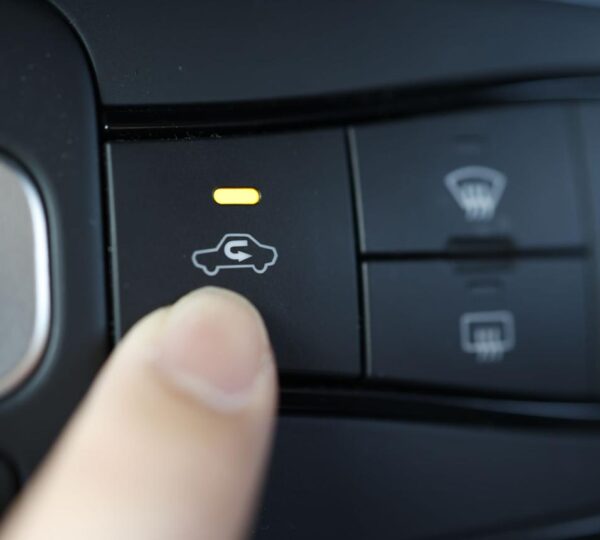
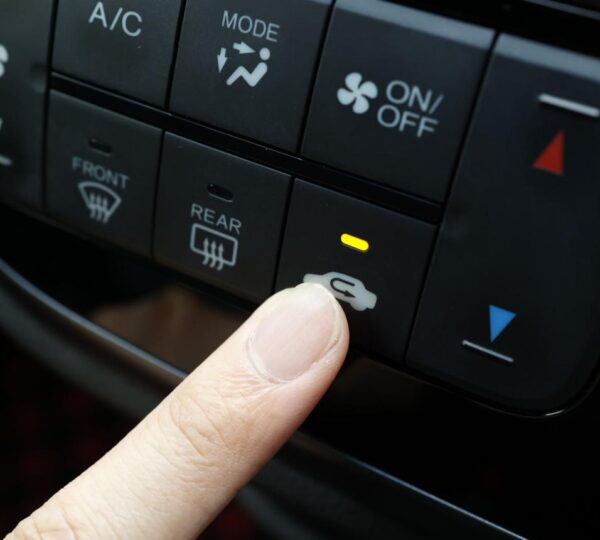
This button, usually marked with a car icon and a circular arrow, controls how air enters and circulates within the cabin. Despite its simplicity, it plays a significant role in comfort, air quality, and climate control efficiency.
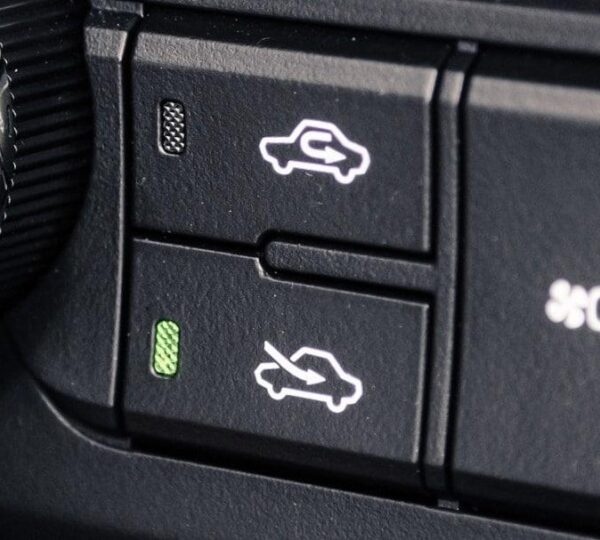
In most vehicles, the heating, ventilation, and air conditioning system operates in two primary modes. One mode draws air from outside the vehicle, while the other recirculates air already inside the cabin.
When the system is set to fresh air mode, outside air enters through intake vents located near the windshield base. This air passes through a cabin air filter before reaching the ventilation system.
The filtered air is then heated or cooled depending on the selected temperature settings. After conditioning, it is distributed through vents positioned across the dashboard and interior of the vehicle.
When the air recirculation button is activated, the system closes the external intake vents. Instead of pulling outside air, it continuously cycles the air already inside the cabin.
This closed-loop system allows the climate control system to work more efficiently in certain conditions. It does not need to constantly adjust extreme outside temperatures, which can reduce workload on the HVAC system.
During hot weather, recirculation can improve cooling efficiency. Instead of processing very hot outside air, the system reuses cooler cabin air, allowing the interior to reach comfortable temperatures more quickly.
This reduction in thermal load may also decrease the strain on the air conditioning compressor. In some cases, it can contribute to slightly improved fuel efficiency, particularly during initial cooling periods.
However, the effect on fuel economy is generally modest and depends on driving conditions, vehicle design, and how long the system remains in recirculation mode.
In cold weather, the recirculation function can help warm the cabin faster by retaining already heated air inside the vehicle. This reduces the time required for the heating system to reach a stable temperature.
Despite these advantages, continuous use of recirculation is not recommended for extended periods under normal driving conditions. Air quality inside the cabin can gradually decline without fresh air exchange.
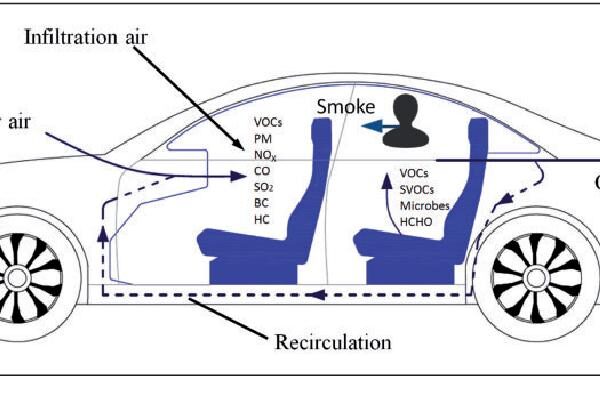
As passengers breathe, carbon dioxide levels inside the enclosed space can increase. While modern vehicles are not airtight, reduced ventilation may still lead to noticeable discomfort over long drives.
Elevated carbon dioxide levels can contribute to drowsiness and reduced alertness in some individuals. This is one reason manufacturers recommend switching between fresh air and recirculation modes periodically.
Another important factor is humidity control. Moisture from breathing, wet clothing, or external weather conditions can accumulate inside the cabin when air is continuously recirculated.
Without sufficient fresh air exchange, this moisture may condense on glass surfaces, leading to window fogging. Fogged windows can significantly reduce visibility and increase driving risk.
Fresh air mode helps regulate humidity by introducing drier external air and allowing moisture to escape through the vehicle’s ventilation system. This improves overall visibility and comfort.
The air recirculation function also plays an important role in managing external air quality. In heavy traffic conditions, vehicles are exposed to exhaust gases and fine particulate matter.
When recirculation is activated, the system reduces the amount of outside air entering the cabin, which can help limit exposure to pollutants such as nitrogen oxides and particulate emissions.
This feature is particularly useful in congested urban environments, tunnels, or areas with poor air quality. It provides a temporary barrier between occupants and external contaminants.
Many drivers also use recirculation when passing through areas with strong odors, such as industrial zones or garbage collection routes. It helps maintain a more neutral cabin environment.
Despite these benefits, prolonged use in low-ventilation mode should be avoided. Without adequate air exchange, odors, humidity, and stale air can build up inside the vehicle.
Automotive engineers design climate systems to automatically balance these modes in some modern vehicles. Certain systems switch between fresh air and recirculation based on temperature and sensor input.
However, in many vehicles, the driver still has full manual control over the system. Understanding when and how to use this feature can significantly improve driving comfort and safety.
Cabin air filters also play a critical role in maintaining air quality regardless of the selected mode. These filters are designed to trap dust, pollen, and airborne particles before they enter the cabin.
Over time, cabin air filters become clogged with debris and lose efficiency. A dirty filter can reduce airflow, strain the ventilation system, and negatively impact overall air quality.
Regular replacement of the cabin air filter is an important part of vehicle maintenance. Most manufacturers recommend changing it at specific mileage or time intervals depending on driving conditions.
Drivers in urban or high-dust environments may need more frequent replacements due to increased exposure to pollutants and airborne particles.
The effectiveness of both fresh air and recirculation modes depends heavily on the condition of this filter. Even proper use of climate controls cannot compensate for a neglected filtration system.
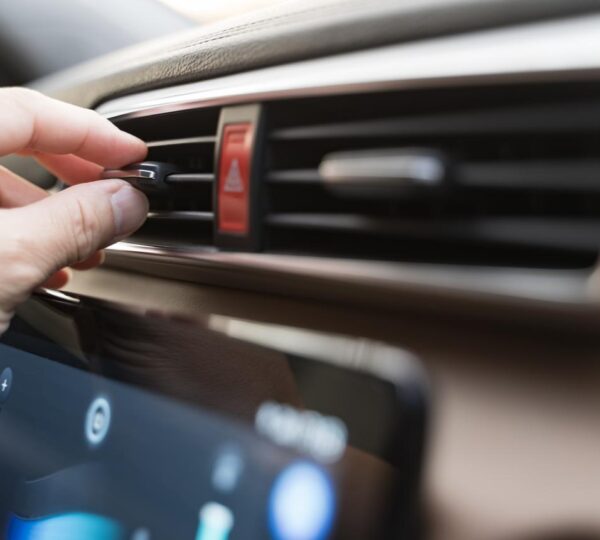
Understanding how air flows through a vehicle helps drivers make more informed decisions about comfort and safety. The system is designed to adapt, but it still requires user awareness.
The air recirculation button should be viewed as a flexible control rather than a permanent setting. Its effectiveness depends on timing, environment, and driving conditions.
Using it strategically during extreme temperatures or high pollution conditions can enhance comfort. Switching back to fresh air ensures continued ventilation and balanced cabin atmosphere.
Ultimately, the goal of modern vehicle climate systems is to maintain a safe, comfortable, and stable interior environment. Small adjustments by the driver can significantly influence that balance.
By understanding how air intake, filtration, and circulation work together, drivers can better manage cabin conditions and improve both comfort and long-term health during travel.


.jpg)

.jpg)


0 commentaires:
Enregistrer un commentaire